Terraform Cities
-
Terraform Cities is a conceptual research and creative project exploring the relationship between climate change and cities and how nature-based solutions in the built environment can play a role in lowering global temperatures, improving the quality of life, and preparing us for a future on a warmer planet. Through education, advocacy, innovation, and collaborative partnerships, Terraform Cities aims to radically reimagine the urban landscape.
-
Brand Identity
Graphic Design
Web Design & Front-End Dev
Co-Founder -
Wheaton Simis Content Development Co-Founder
Reference & Inspiration
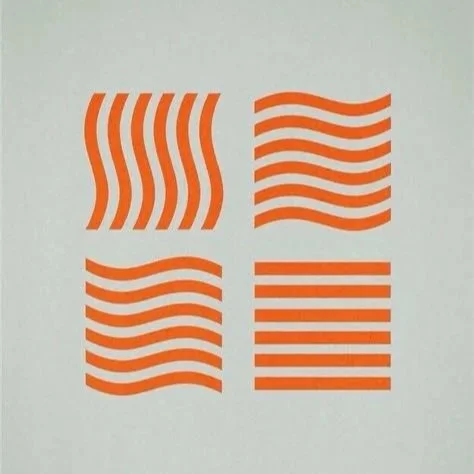
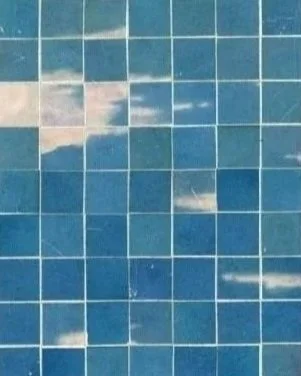
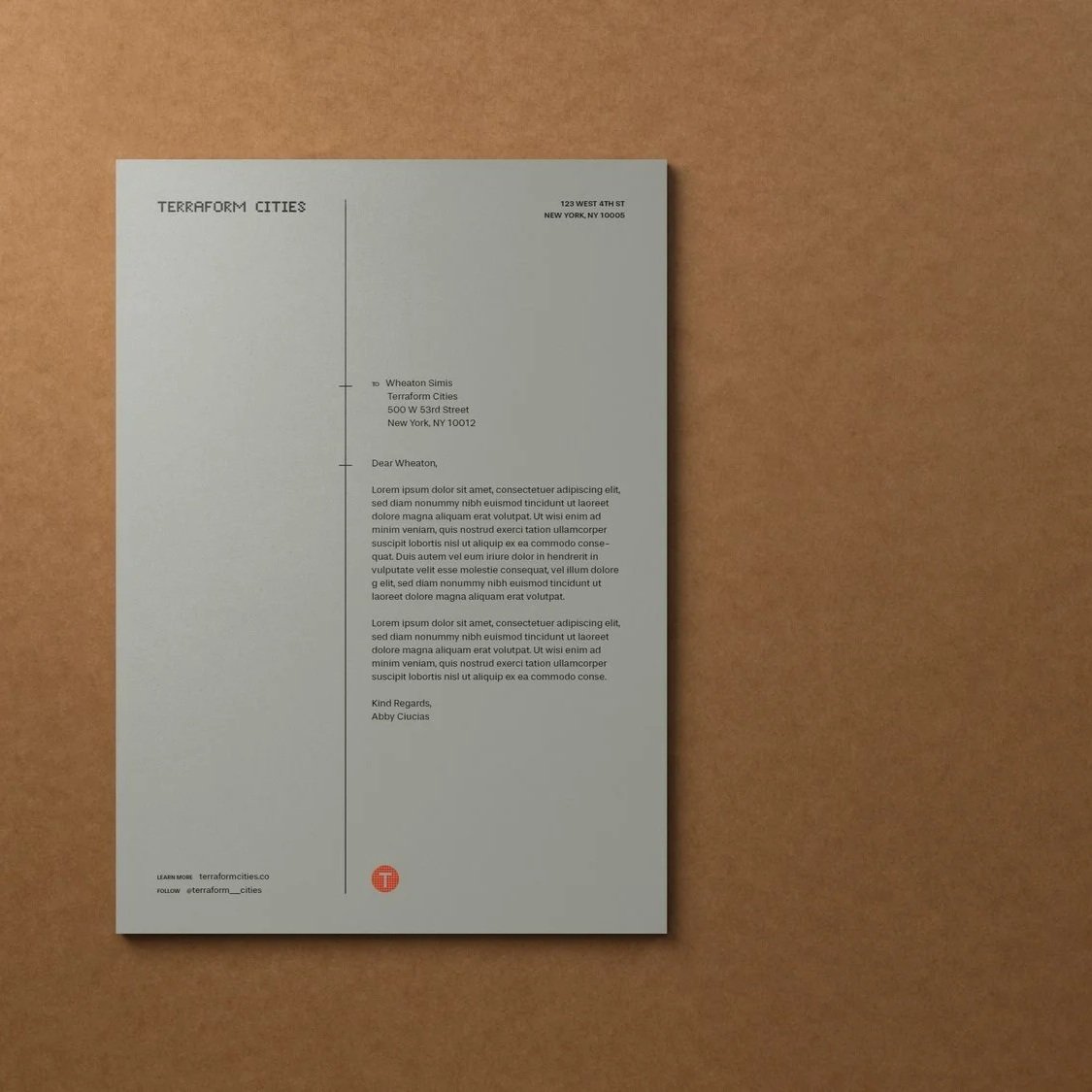
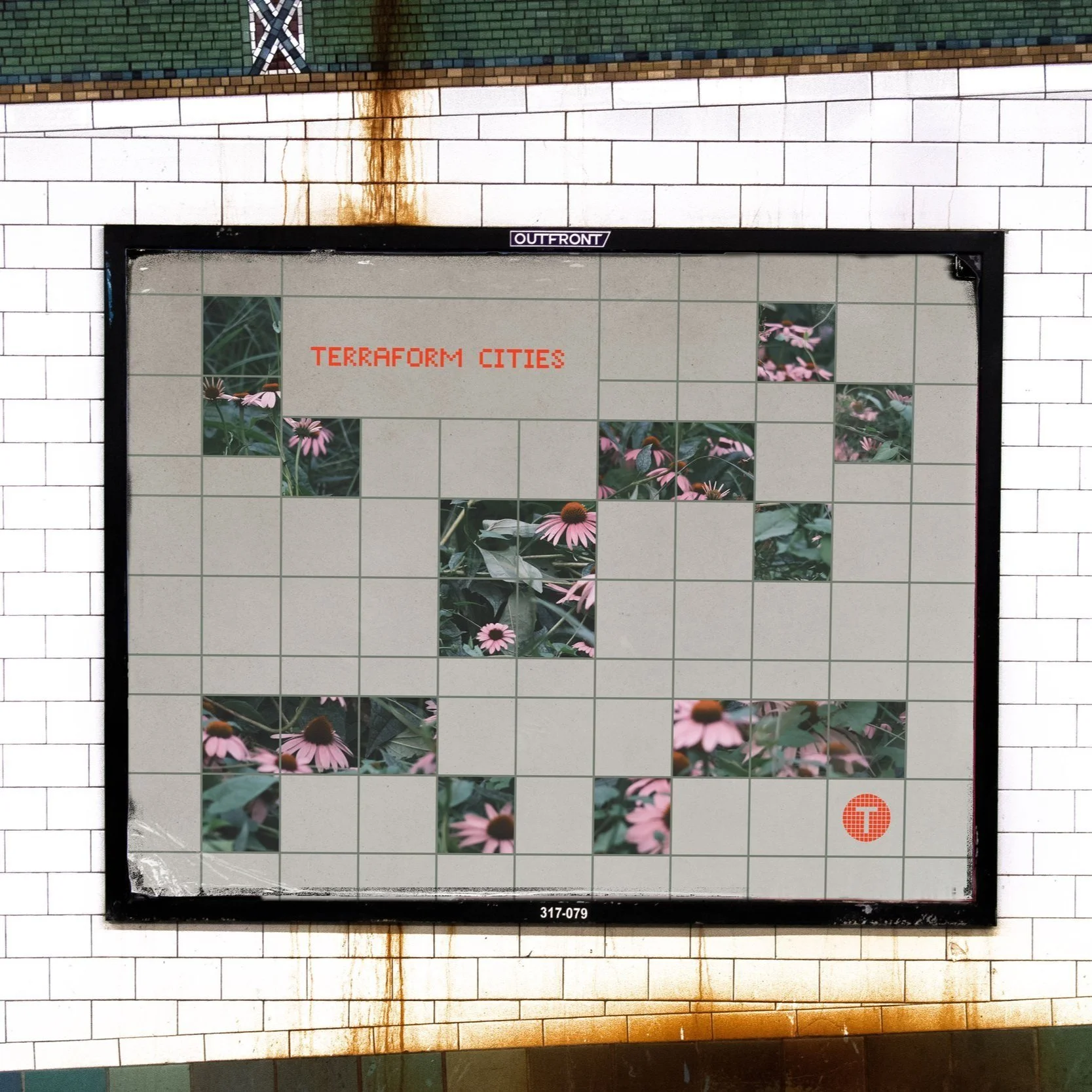
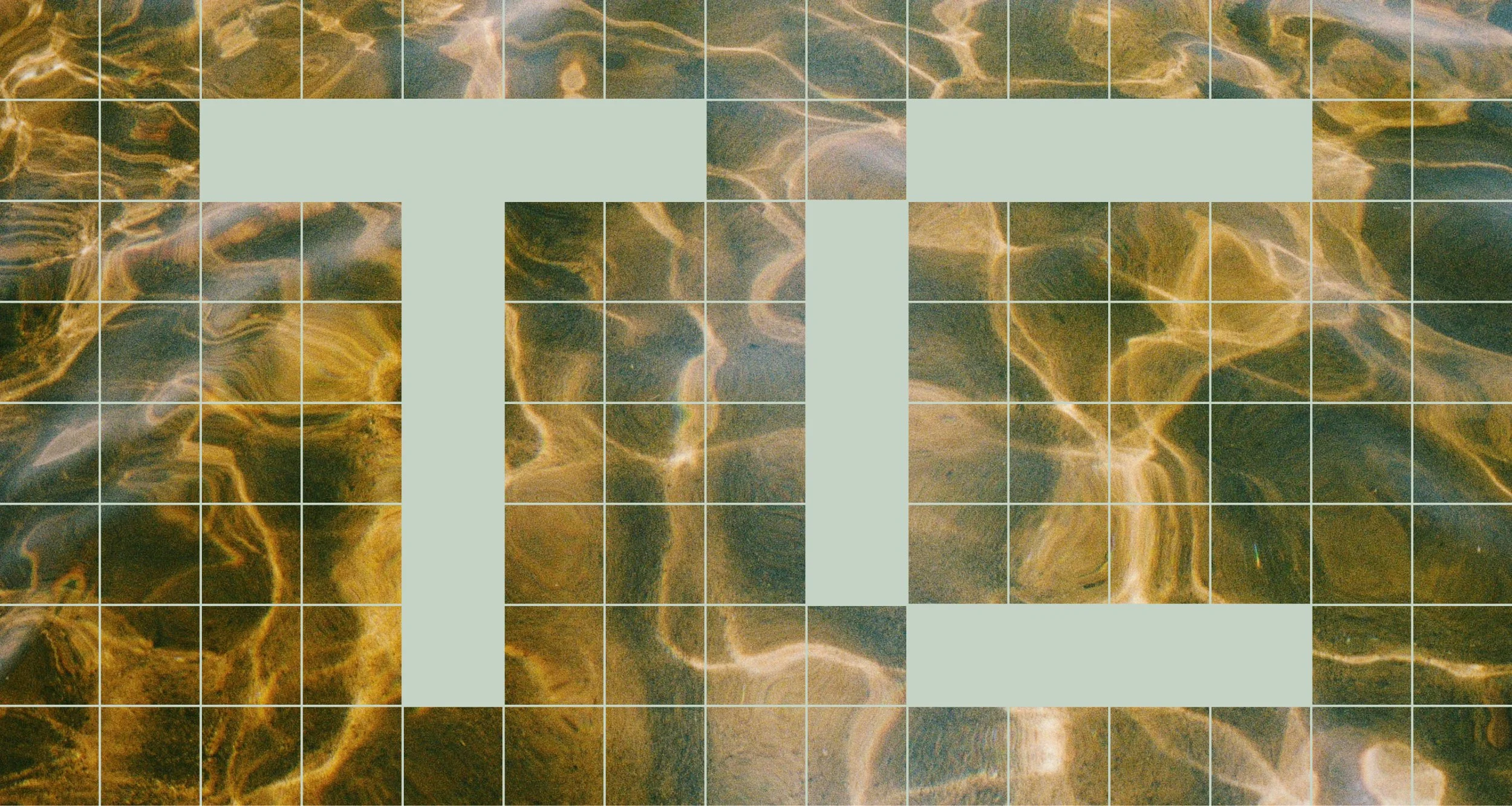
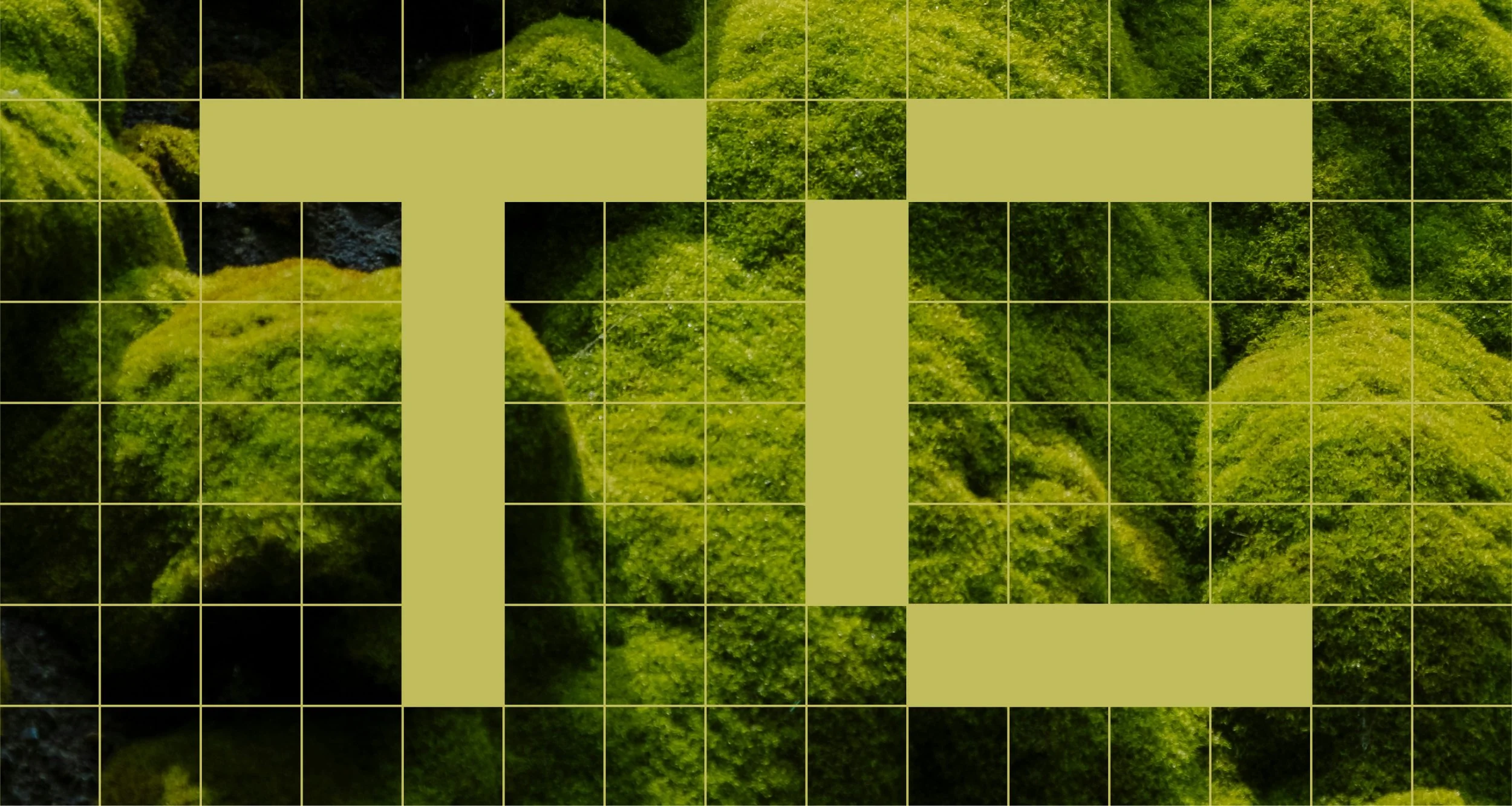
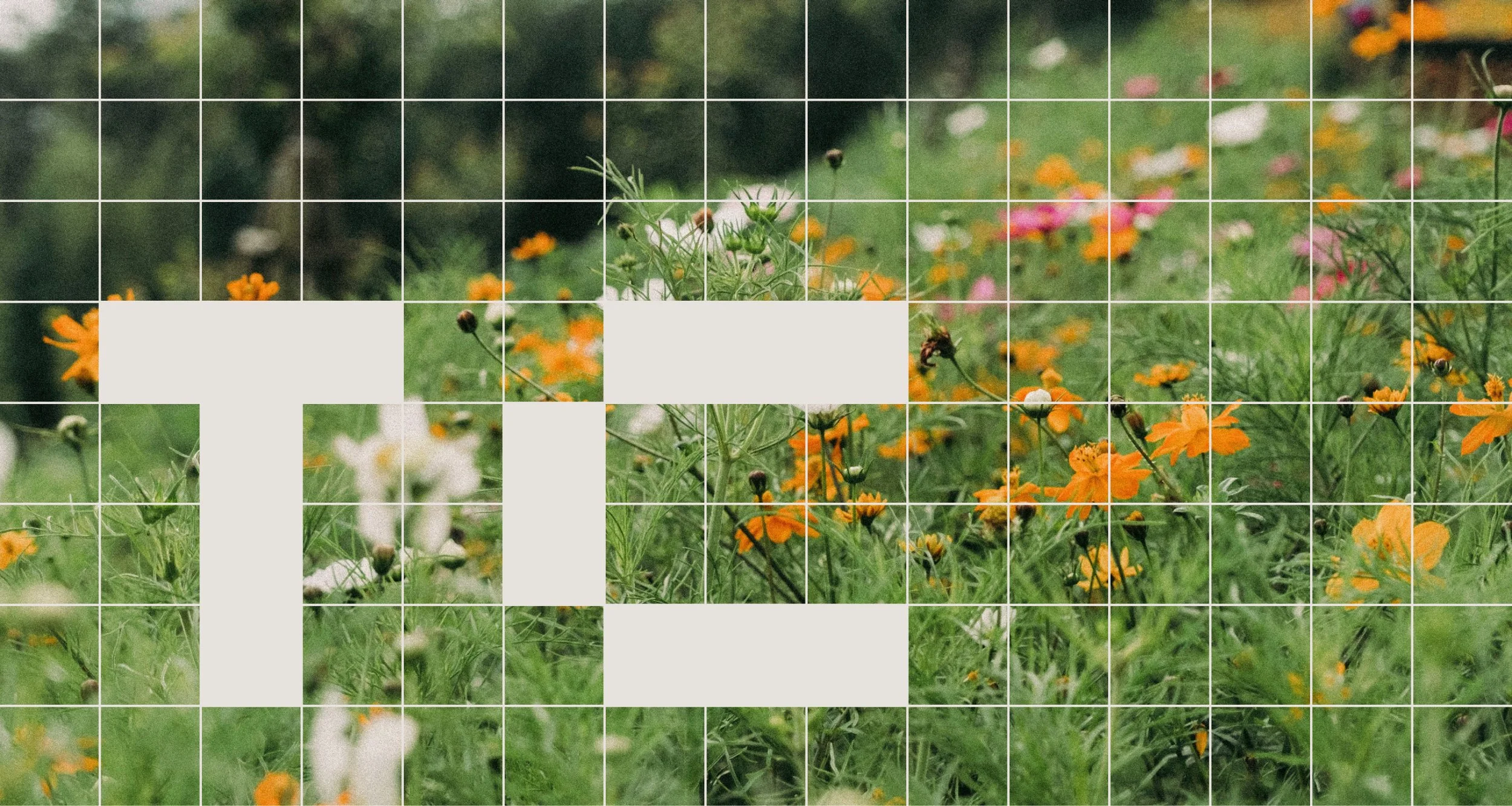
The foundation of the Terraform Cities identity system is the grid: a structural device that informs not only the wordmark, but the entire visual language. Beyond creating consistency and modularity, the grid acts as a conceptual framework for the brand itself: a visual expression of the relationship between urban infrastructure and organic growth.
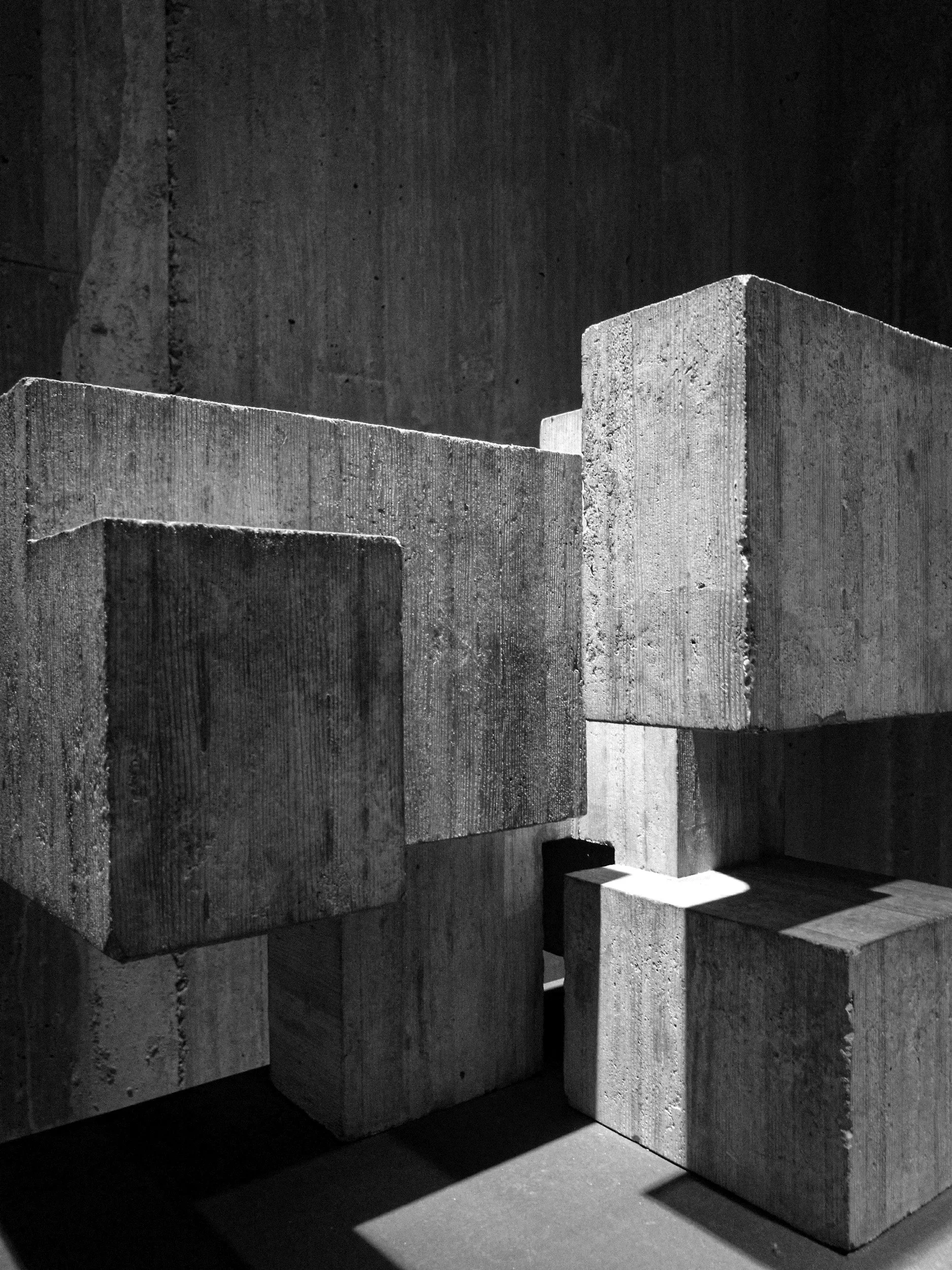
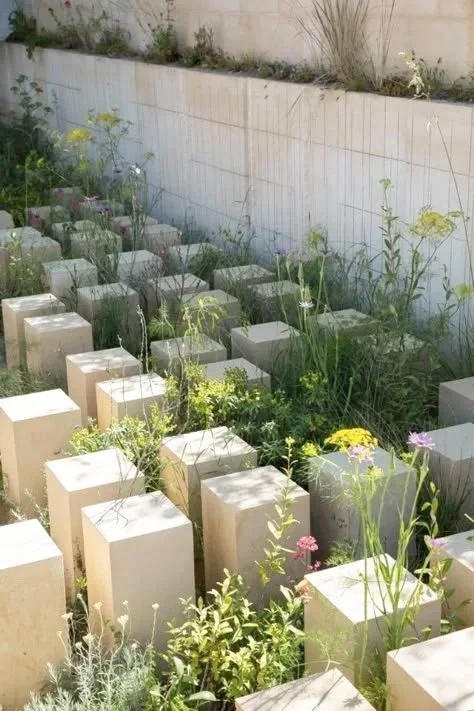
The system was inspired by the literal building blocks of the modern cityscape. Images of eco-architecture—concrete towers softened by living walls, overgrown balconies, and integrated natural systems—became a key influence in shaping the identity. I was particularly drawn to the visual tension created when rigid architectural forms coexist with uncontrolled organic elements. That contrast between hard and soft, synthetic and natural, became a defining principle of the brand language.
Within the identity, the grid represents order, technology, and human-made systems, while texture, color, and organic forms introduce warmth and unpredictability. Together, these elements reflect Terraform Cities’ larger vision: a future where urban environments evolve in collaboration with nature rather than in opposition to it.
The visual system also intentionally blends references from both past and future. Archival-inspired textures and retro-futurist influences—think 1990s cinematic interpretations of future cities like The Fifth Element—bring a sense of familiarity and humanity to the identity. In contrast, the underlying grid system and modular compositions are rooted in contemporary digital design principles, reflecting modern technology, systems-thinking, and scalability.
This interplay between nostalgia and futurism creates an identity that feels simultaneously speculative and grounded: a vision of the future that is technologically advanced, but still deeply human.